Tricore Safety: Comprehensive Safety Solutions
- Chris Fredette
- Mar 31
- 3 min read
When you’re on a jobsite, safety isn’t just a checklist item. It’s the backbone of every task, every decision, and every step forward. But let’s be honest - safety plans often live in binders nobody opens, or in meetings that feel like a waste of time. That’s where practical, real-world safety solutions come in. Solutions that don’t just talk about compliance but make safety part of the daily grind. That’s what I want to share with you today.
Why Comprehensive Safety Solutions Matter
Safety isn’t a one-and-done deal. It’s a continuous process that needs to fit the reality of your worksite. Conditions change, crews rotate, and deadlines pressure everyone to move fast. If your safety program can’t keep up, it’s just paperwork.
Comprehensive safety solutions mean covering all the bases - from training and communication to hazard recognition and on-site support. It’s about making safety clear, simple, and actionable. When your team understands what’s expected and why it matters, they’re more likely to follow through.
For example, instead of handing out a 50-page manual, use visual tools like posters or quick reference cards that highlight key hazards and safe practices. Walk the site regularly with your crew to spot risks and fix them before they cause trouble. This hands-on approach builds trust and keeps safety top of mind.
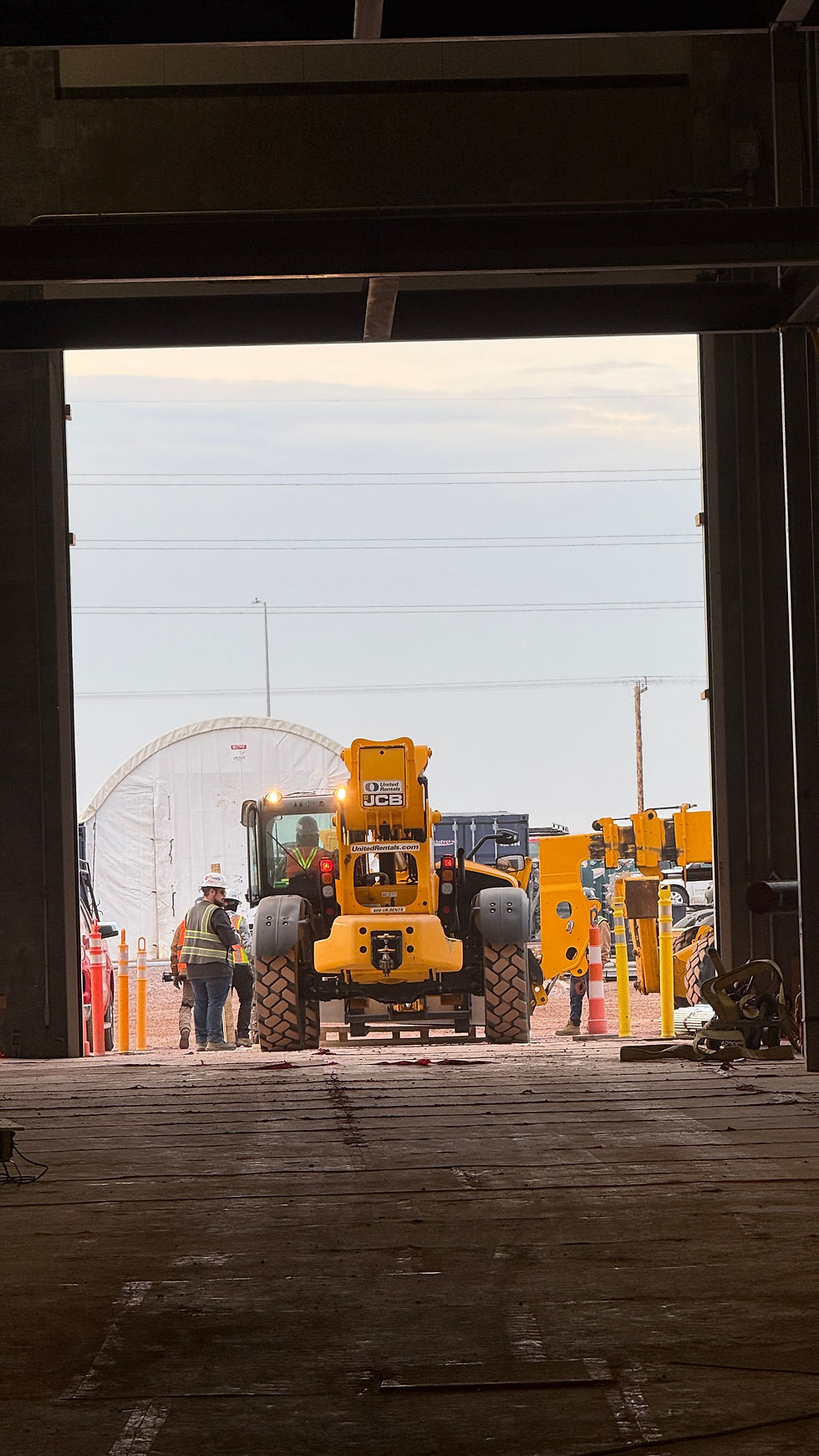
What does TriCore do?
TriCore Safety is not your typical safety consultant. They partner with construction and industrial teams to turn safety intent into real-world execution. Their approach is straightforward: use visual tools, trusted field consultants, and human-centered training that people actually understand, remember, and follow.
They don’t just hand you a plan and walk away. TriCore Safety works alongside your crew, helping you identify hazards, improve communication, and build a safety culture that sticks. Their consultants know the field because they’ve been there. They speak your language and get what it takes to keep everyone safe without slowing down the job.
One practical example is their use of visual aids tailored to your site’s specific risks. Instead of generic signs, they create custom visuals that highlight the exact hazards your team faces daily. This makes it easier for everyone to spot dangers and act accordingly.
Building Safety That Works on the Ground
You can’t expect safety to work if it’s too complicated or disconnected from the actual work. Here’s how to build a safety program that fits the jobsite:
Keep it simple: Use plain language and clear visuals. Avoid jargon or long explanations.
Make it visual: Use photos, diagrams, and color-coded signs to communicate hazards and procedures.
Train for real: Focus on hands-on training that shows how to do the job safely, not just theory.
Get feedback: Talk to your crew regularly. Find out what’s working and what’s not.
Be present: Have safety consultants or supervisors on-site to guide and support the team.
For instance, instead of a generic fall protection talk, show your crew exactly how to inspect harnesses and anchor points on your site. Walk through the process with them. This kind of training sticks because it’s practical and relevant.
Turning Compliance into Execution
Compliance isn’t the starting point; it’s the result of good execution. When your team understands the why and how of safety, compliance happens naturally. It’s not about ticking boxes but about doing the right thing every day.
Here’s how to shift from compliance as a burden to compliance as a natural outcome:
Set clear expectations: Make sure everyone knows what safe looks like on your site.
Use visual reminders: Place signs and checklists where they’re needed most.
Lead by example: Supervisors and managers should model safe behavior.
Provide support: Make sure workers have the right tools and equipment.
Follow up: Regularly check in and address issues quickly.
When you do this, safety becomes part of the workflow, not an add-on. It reduces incidents and keeps projects on track.
Practical Tips for Everyday Safety Success
Here are some actionable tips you can start using today to improve safety on your site:
Daily safety huddles: Spend 5-10 minutes each morning reviewing hazards and plans.
Visual hazard boards: Update boards daily with current risks and controls.
Buddy system: Pair workers to watch out for each other’s safety.
Toolbox talks with a twist: Use real incidents or near misses from your site to make talks relevant.
On-site coaching: Have a safety pro walk the site and give immediate feedback.
These small steps add up. They keep safety visible and top of mind, even when the pressure is on.


Comments