Why the Safest Jobsites Aren’t the Quiet Ones
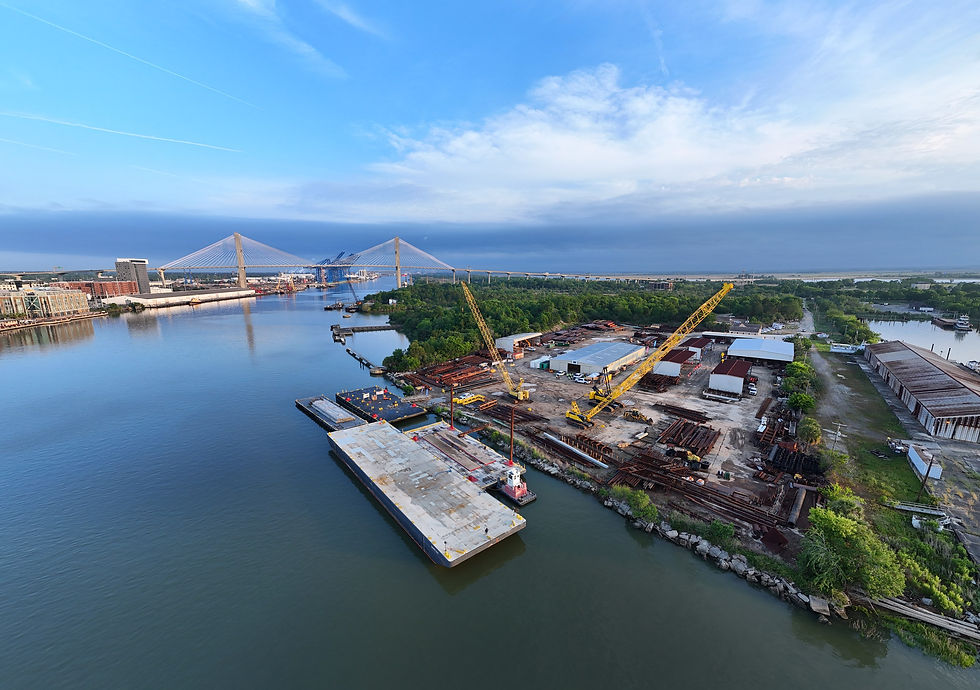
Some of the most dangerous jobsites look calm.
No raised voices.
No reported issues.
No near misses logged.
No visible tension.
On paper, everything appears under control. In reality, prolonged silence especially during high-risk work is often the first warning sign that something is wrong.
The safest jobsites aren’t quiet. They’re alive with communication. People question conditions, challenge assumptions, and speak up before small problems harden into serious incidents.
Silence Is Not the Same as Safety
A quiet jobsite usually means one of three things:
People don’t believe concerns will be addressed
People don’t want to be seen as slowing the work
People have learned that speaking up carries social or professional risk
None of these conditions reduce hazards. They simply push risk out of sight.
When issues aren’t discussed, they don’t disappear. They accumulate quietly until they show up later as injuries, equipment damage, schedule delays, or OSHA citations that feel sudden but weren’t.
When Quiet Jobs Get Dangerous
The pattern shows up most clearly on quiet jobsites where high-risk activities are actively underway.
Critical lifts proceed without discussion.
Energized work becomes a routine without much thought.
Work at height is treated as familiar instead of fragile.
Temporary structures are assumed to be stable because they were yesterday.
From the outside, everything looks controlled right up until a significant injury or accident appears to come out of the blue.
But these events are rarely unpredictable.
High-risk work demands constant recalibration. Conditions change. Loads shift. People get tired. When a jobsite stays quiet during complex or hazardous operations, risk isn’t being eliminated it’s being silently accepted.
This is why serious incidents on these sites feel sudden. The failure wasn’t a single bad decision. It was the absence of conversation.
Near Misses Are a Sign of Health, Not Failure
One of the most misunderstood indicators in construction safety is near-miss reporting.
A jobsite that reports near misses isn’t unsafe. It’s paying attention.
Near misses mean:
Hazards are being recognized early
Workers feel safe acknowledging close calls
The system is correcting itself before someone gets hurt
Jobsites that report zero near misses over long periods are rarely perfect. More often, they’re quiet.
Silence doesn’t mean nothing is happening. It means no one is talking about it.
The “Don’t Rock the Boat” Effect
Quiet jobsites often run on unspoken rules:
“Just work around it.”
“That’s how it’s always been.”
“Management already knows.”
“We’ll fix it later.”
These phrases feel efficient. They are not.
They shift risk from the organization to the individual. Over time, unsafe conditions become normal simply because nothing bad has happened yet. This is normalization of deviation, and it’s one of the most reliable precursors to serious incidents.
Gravity doesn’t care how long a shortcut has worked.
What Inspectors See That Management Often Misses
OSHA inspectors don’t just look at equipment and paperwork. They watch behavior.
They notice:
Whether workers hesitate before answering questions
Whether supervision understands current conditions
Whether hazards are actively discussed or quietly tolerated
A silent jobsite during an inspection doesn’t look disciplined. It looks rehearsed.
Sites that openly discuss problems, even small ones, are easier to trust because the risk is visible and being managed.
Noise as a Leading Indicator
Conversation is a leading indicator. Silence is a lagging one.
Talking about hazards means they’re still controllable. Silence usually means the decision has already been made consciously or not to accept the risk.
The safest jobsites don’t wait for perfect conditions. They keep risk visible, uncomfortable, and correctable.
Final Thought
Serious injuries don’t come out of nowhere.
They come out of quiet jobsites where high-risk work is happening without friction, without challenge, and without communication.
If a jobsite feels too calm during dangerous work, that isn’t a sign of control. It’s a sign that the feedback loop may already be broken.
The safest jobsites aren’t the quiet ones.
They’re the ones where people are still talking before something forces everyone to.


Comments